As Washington State’s quarterback, Ryan Leaf defeated USC at Los Angeles Memorial Coliseum. He beat Oregon at Autzen Stadium. He won at rival Washington in front of one of the Huskies’ largest crowds ever.
Leaf wowed fans at the world-famous Rose Bowl, where he threw for 331 yards, and earned his first NFL victory at the San Diego Chargers’ Qualcomm Stadium with 64,037 fans in attendance and millions more watching at home.
Leaf, 50, is more than 25 years removed from any of those on-field achievements.
He still knows how to command an audience, however, and these days, he’s doing it with his mind, voice and experiences from a hard-won redemption arc that carries a message worthy of mass audiences.
“Honestly, a night like this should be inside a football stadium where there’s 70,000 people celebrating this stuff,” he said. “But stigma is going to limit that until we break through it.”
Leaf made those remarks on Friday, June 26, as the keynote speaker at “Night of Recovery,” a two-hour program inside the Theater at North in Scranton.
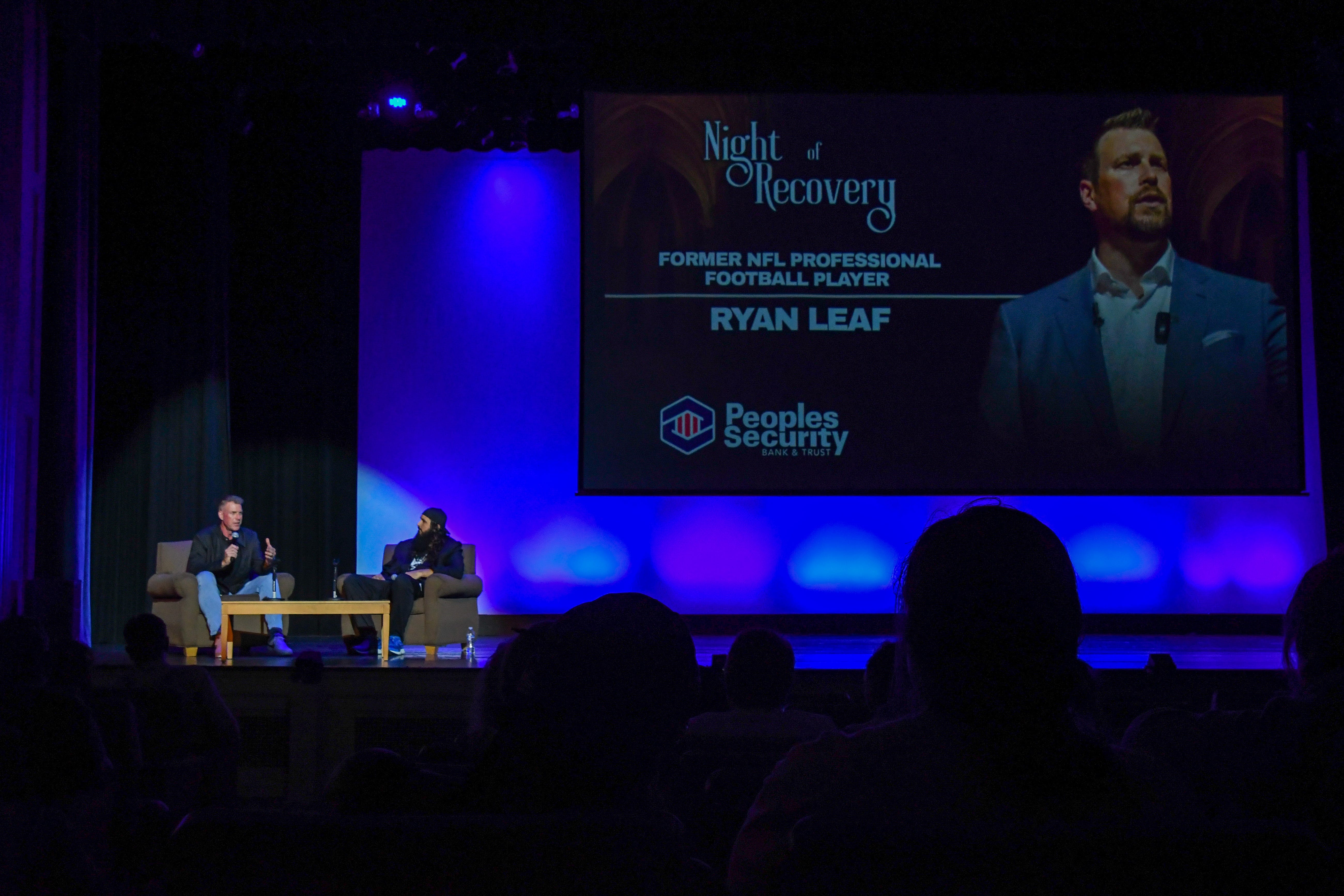
Leaf suffered a public fall from grace followed by an equally public redemption.
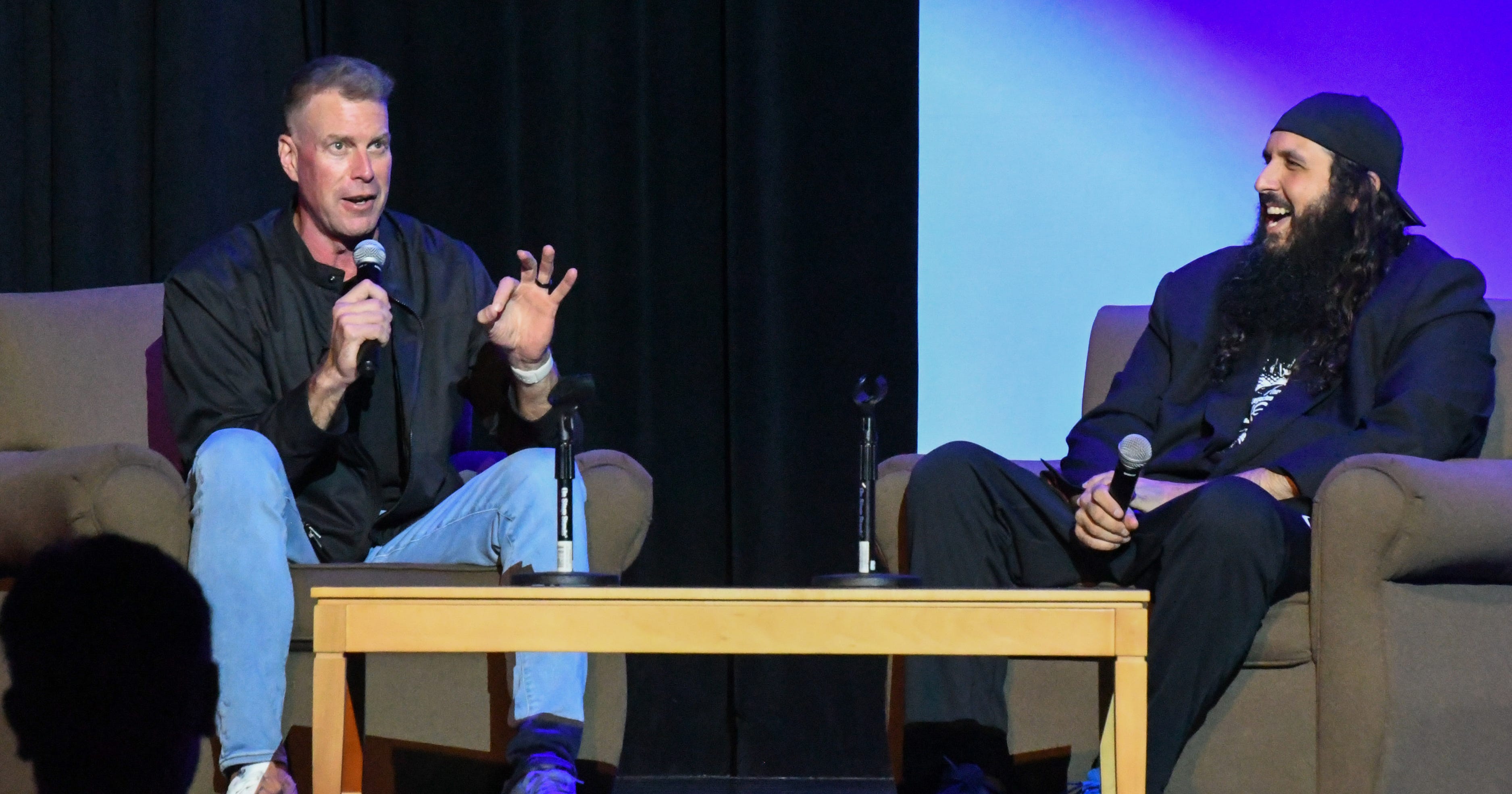
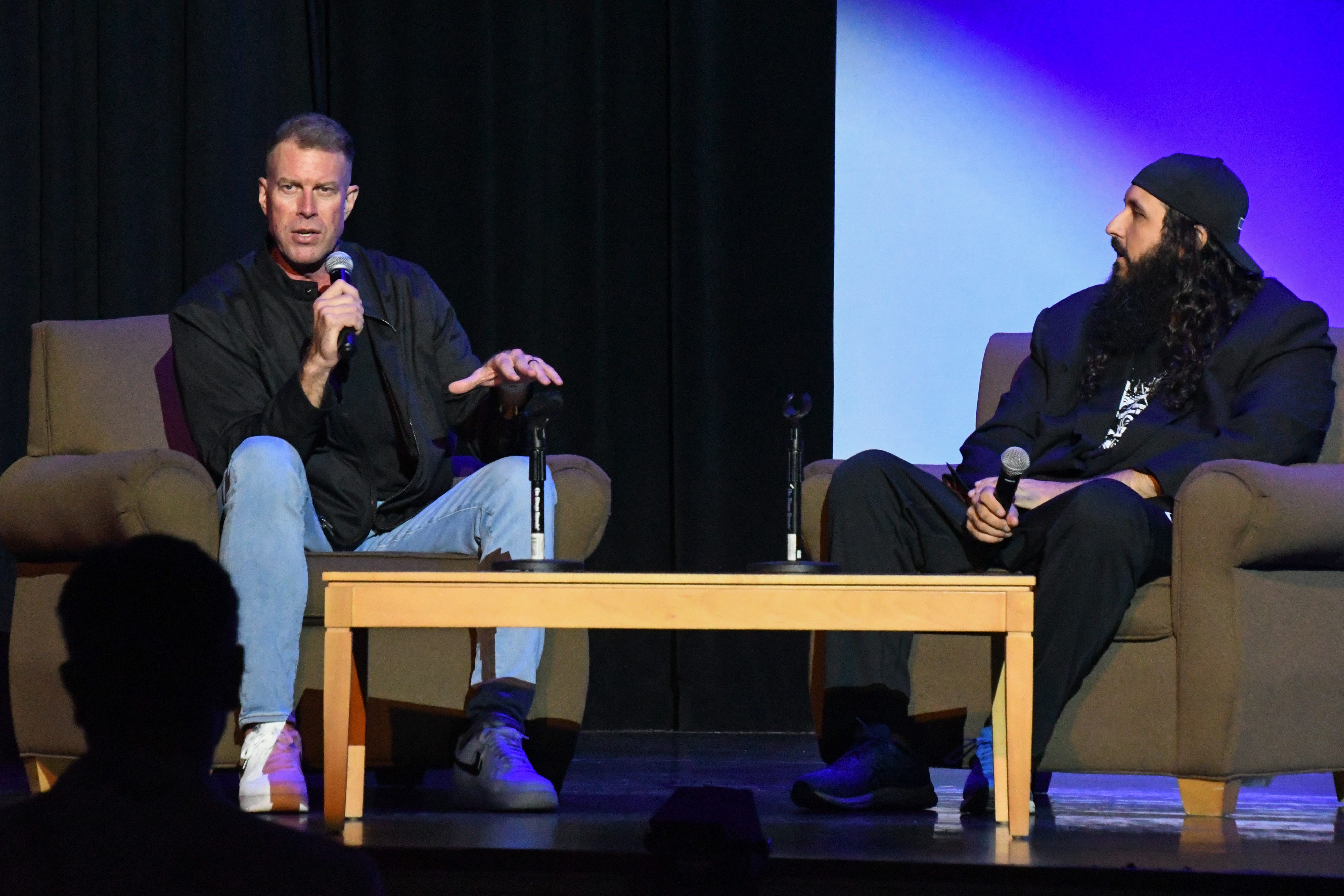
During his on-stage conversation with Chris Dreisbach, who organized the event, Leaf spoke about his numerous arrests and history of substance abuse.
He was, at times, serious, and also playful — especially when admitting his Pittsburgh Steelers fandom and ribbing the Philadelphia Eagles fans in attendance — but he was always candid.
Leaf likened himself to Eminem’s B-Rabbit character in “8 Mile.” In the film, B-Rabbit raps about his own weaknesses and flaws, exposing himself before his rival has the opportunity to do so.
“That’s worked for me: vulnerability and transparency. Humility is this: it’s not thinking less of yourself; it’s when you finally can look in the mirror and you like the person that you see staring back at you with all the scars, all the baggage,” said Leaf, who is 14 years sober and was recently announced as USA Network’s Pac-12 lead football analyst. “Ironically enough, I’m more confident as a human being now with all that stuff than I ever was as a millionaire starting NFL quarterback, which is so strange to think.
“This is the real me, this is the guy that I see in the mirror every day and this was a guy that I couldn’t look at in the mirror every day for a long, long time. And I can now. I like this guy. I like this guy that I see with all the scars, all the baggage, regardless of what anybody else thinks of me.”
So, how did Leaf wind up headlining an event in Scranton? He posted on LinkedIn about his recovery anniversary. Dreisbach saw it and sent a message of congratulations.
“I’m thinking, ‘Of course, the guy who got drafted right after Peyton Manning will ignore my message,’” Dreisbach recalled. “But, of course, my delusion was shattered when Ryan Leaf said, ‘Hey, man, thank you so much. My life is awesome. How cool is recovery?’
“Eventually, it turned out that he wanted to come and be a part of ‘Night of Recovery.’”
Leaf was one of several guest speakers, including Jesus Rodriguez, a former WWE wrestler; Marty Flynn, state Senator; Frank J. Ruggiero, Lackawanna County judge; and Brian Gallagher, Lackawanna County district attorney.


The theme of “restorative justice,” an alternative approach to conflict and crime that focuses on repairing harm rather than simply punishing the offender, was often referenced.
“My job as the district attorney isn’t to lock you up because you have a mental health problem or because you suffer from addiction,” Gallagher said. “My job is to make you whole again; to put you back on your feet, dust you off and if you should fall down, we pick you back up. At some point in time, there has to be accountability and responsibility.”
Gallagher described individuals graduating from treatment court — and seeing their transformation — as his greatest professional joy.
“So much of what I do as district attorney is seeing many people in recovery at their very worst,” he said. “But tonight represents hope. It represents all the work that each of you have put in. You’re doing it not only for yourself — you’re doing it for your family and your children. You’re making your families proud of you and the people that you have become.”


The event was sponsored by several organizations — including Peoples Security Bank and Trust and Cold Bore Counseling — and was preceded by a wellness fair in the lobby with resource providers and vendors.
While Leaf described mental health and substance abuse as still carrying a “stigma,” events like “Night of Recovery” go a long way toward opening people’s minds.
“When you are more worried and fearful about someone knowing that you need help than actually getting the help that you need — that’s the definition of stigma for me,” Leaf said. “That’s the thing that has to be eliminated.”
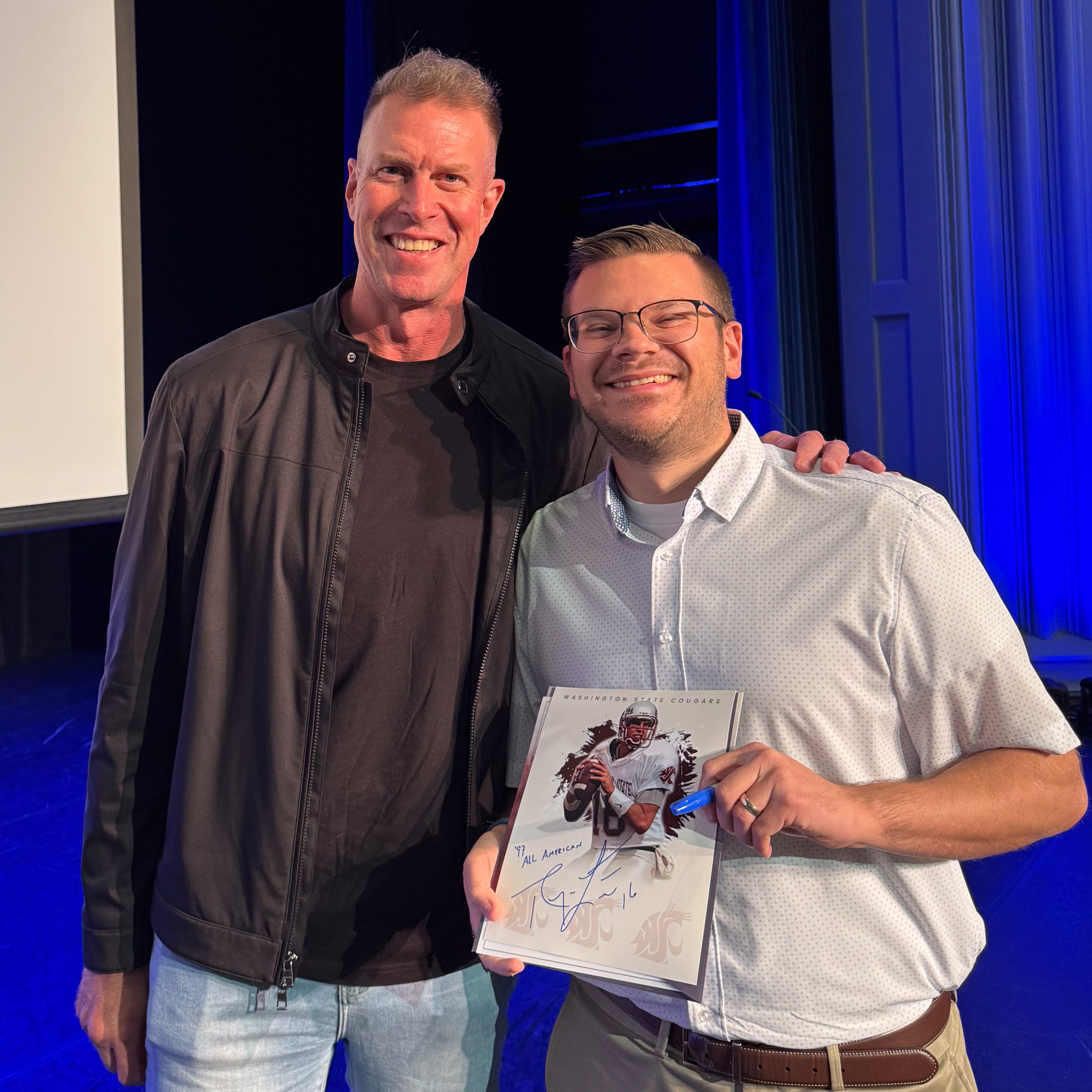
At the end of the program, Leaf stayed until he had greeted everyone seeking a photo or autograph, including me. Thanks to Ryan for signing and inscribing a pair of 8-by-10 photographs that I designed!